Spring Embroidery Seamless Patterns
A Designer’s First Impression: Soft, Seasonal, and Stitch-Ready
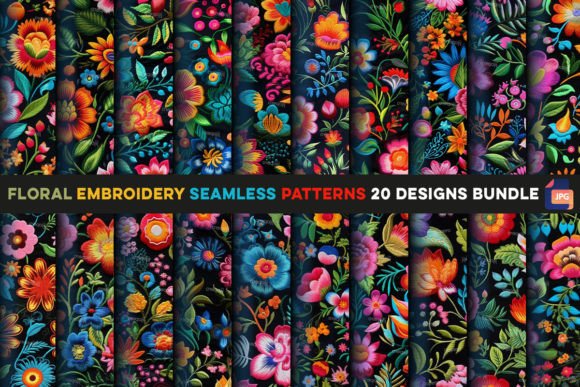
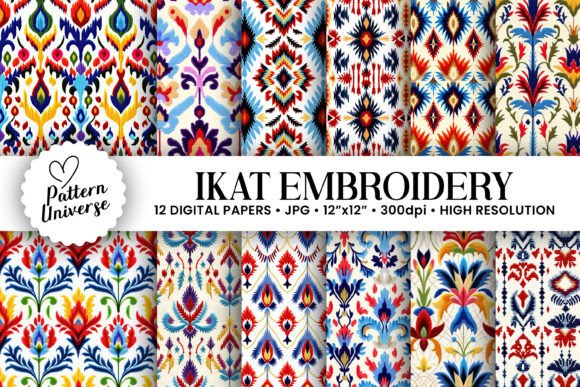
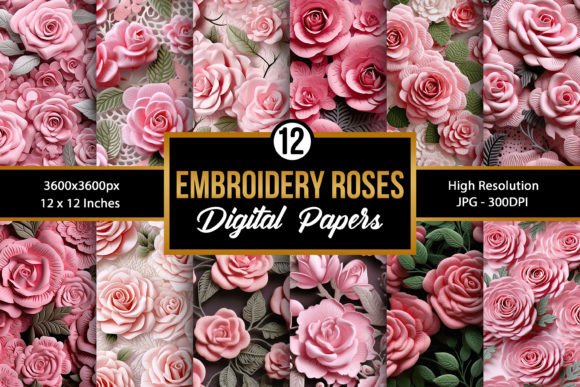
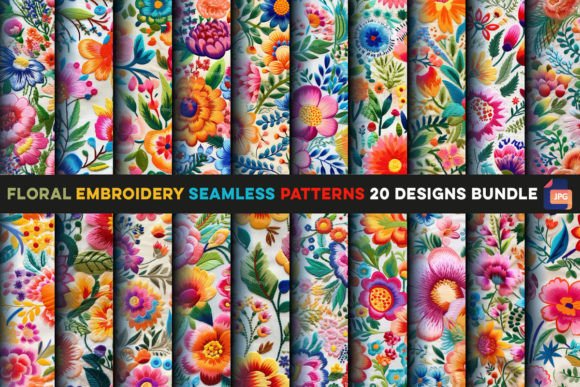
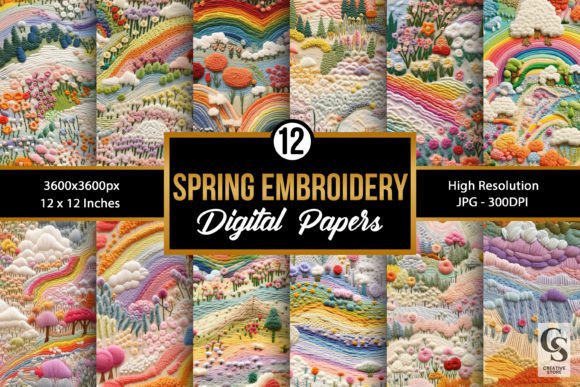
As an embroidery designer who’s stitched thousands of personalized gifts—from baby blankets to wedding towels—I opened the Spring Embroidery Seamless Patterns zip file with quiet anticipation. What greeted me wasn’t just floral repetition—it was warmth. Each of the 12 digital papers carries a gentle, hand-drawn charm: delicate blossoms, winding vines, and airy sprigs that feel romantic without being fussy, playful without losing elegance. There’s no harsh geometry or over-digitized sharpness—just organic flow, balanced spacing, and that unmistakable “handmade” softness that elevates a simple towel or pillow into something emotionally resonant. These aren’t clipart florals; they’re cohesive, seasonally grounded patterns designed to breathe on fabric.
Where These Patterns Shine in Real Handmade Projects
The true strength of Spring Embroidery Seamless Patterns lies in how naturally they translate across handmade gift categories. For baby embroidery, I’ve used two of the lighter motifs on organic cotton receiving blankets—the subtle scale and open stitch areas prevent bulk while still reading beautifully in photos. On linen nursery pillow covers, the seamless repeat means no awkward seams or visible joins, even when stitching across corners. Wedding gifts? One of the more refined patterns—featuring tiny forget-me-nots and trailing ivy—stitched flawlessly onto monogrammed guest towels, adding heirloom-level detail without overwhelming the fabric.
Etsy sellers will appreciate how easily these patterns adapt to high-demand small shop products: embroidered tote bags (especially on natural canvas), aprons for bakeries or new moms, and custom gift boxes lined with stitched fabric panels. Because each pattern is delivered as a high-resolution 300dpi JPG at 3600 x 3600 pixels (12″ x 12″), they’re ideal for printable mockups—letting you showcase finished product visuals before stitching a single thread. And for commercial embroidery projects like boutique home decor lines or craft fair inventory, the consistent scale and clean edges mean faster digitizing prep and fewer reworks.
Practical Embroidery Notes You’ll Want Before Your First Hoop
Before diving in, remember: these are digital papers—not pre-digitized machine embroidery files. That means you’ll need to digitize them for your embroidery machine or work with a digitizer. As a designer, I always advise starting with a test stitch-out—even if you’re confident in your settings. Why? Because seamless patterns often contain fine interior details (like slender stems or clustered buds) that can blur or vanish on textured towels or stretchy baby knits without proper stabilizer choice.
For dense fabrics like terry cloth towels, I recommend medium-weight cutaway stabilizer paired with a slightly reduced stitch density—this keeps the design crisp without puckering. On lightweight cotton or linen pillow covers, tear-away works beautifully, especially when paired with high-contrast thread colors (think sage green on ivory, or blush pink on oatmeal). Always check small lettering or delicate shapes *after* stitching—what looks clear on screen may compress under thread tension. And never skip testing on fabric identical to your final product: a swatch tells you more than any spec sheet about how the motif settles, drapes, and holds up after washing.
What to Confirm Before Selling Finished Products
- Hoop size compatibility: Since these are 12″ x 12″ JPGs, plan your layout around common hoop sizes (e.g., 5″ x 7″, 6″ x 10″, or larger)—you’ll likely repeat or crop sections depending on your project.
- Stitch density considerations: While not provided in the listing, review your digitizer’s output for overly dense fills—especially in floral centers—which can stiffen baby clothes or reduce towel absorbency.
- Licensing clarity: Always revisit the product page on Creative Fabrica to confirm commercial use terms for finished handmade products. This is essential for Etsy sellers and small business owners.
- Fabric texture & thread contrast: Darker fabrics require brighter thread choices to preserve detail; highly textured surfaces (like bouclé or heavy terry) may soften fine lines—adjust digitizing accordingly.
Why These Patterns Build Trust—and Turn Gifts Into Keepsakes
In handmade gifting, emotional value is everything. A customer buying a personalized baby blanket isn’t just paying for thread and fabric—they’re investing in memory, care, and intention. The Spring Embroidery Seamless Patterns support that intention beautifully. Their cohesive seasonal theme feels thoughtful, not generic. When photographed well (and they photograph exceptionally well—thanks to their clean resolution and balanced negative space), they elevate product listings instantly. Buyers notice the difference between “cute” and “curated.” That perception of quality directly impacts buyer engagement, repeat orders, and word-of-mouth referrals.
For wedding gift creators, these patterns add quiet sophistication—no loud logos or dated trends, just timeless spring symbolism that honors tradition while feeling fresh. For nursery decor makers, they offer versatility: scale down for onesies, repeat across crib sheets, or isolate a single bloom for a minimalist wall hanging. Even small details matter—how the pattern interacts with seam allowances, how it frames a monogram, or how it flows across curved surfaces like apron pockets or tote bag gussets. These patterns give you that flexibility.
Final Thoughts from the Hoop
If you create personalized gifts—whether for newborns, newlyweds, families building traditions, or customers seeking meaningful home decor—the Spring Embroidery Seamless Patterns are more than decorative graphics. They’re a versatile, emotionally intelligent toolkit. They respect the craft: no impossible details, no misleading resolutions, no licensing ambiguity (as long as you verify on Creative Fabrica). They honor the recipient: soft enough for baby skin, elegant enough for heirlooms, adaptable enough for your unique voice as a maker.
They won’t replace your digitizing expertise—but they’ll make it shine. And in a marketplace where handmade authenticity is both rare and deeply valued, that’s exactly the kind of foundation every small shop product, Etsy listing, and heartfelt gift needs.