Spider Web: A Delicate Halloween Embroidery Staple
First Impressions: Elegance, Intrigue, and Seasonal Nuance
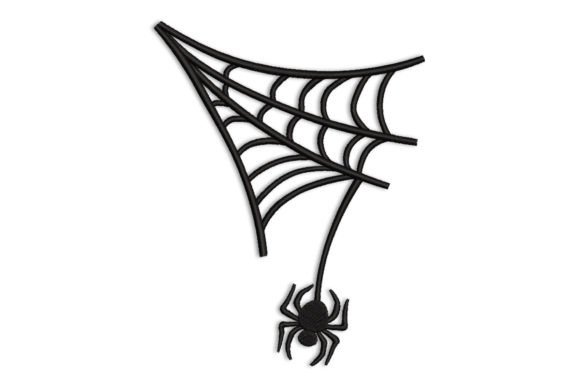
When I unzipped the Spider Web embroidery file, what struck me wasn’t just its technical precision—it was its emotional resonance. This isn’t cartoonish or spooky for shock value. It’s elegant, slightly mysterious, and quietly festive—like moonlight catching dew on a garden web at twilight. The design carries a soft nostalgia, evoking vintage Halloween postcards and hand-stitched heirloom linens. It leans modern rather than kitschy, delicate rather than dense, making it ideal for customers who appreciate subtlety in seasonal embroidery. Its fine lines and open structure give it airiness—perfect for balancing bold holiday themes without overwhelming the garment or surface.
Real-World Product Fit: Where Spider Web Shines
I immediately pictured Spider Web stitched onto natural-fiber kitchen towels—linen or cotton canvas—paired with minimalist black or charcoal thread. It reads as elevated home decor, not costume decor. On heavyweight organic cotton sweatshirts? Yes—but placed thoughtfully: upper back, sleeve cuff, or centered chest for a quiet signature detail. For tote bags and pillow covers, it adds artisanal charm without competing with prints or patterns. As an embroidered patch? Extremely versatile—appliquéd onto denim jackets, baby onesies (for “not-too-scary” Halloween), or even linen aprons for bakeries and craft studios launching limited-edition seasonal collections.
For Etsy sellers and small shop owners, Spider Web is gift-ready by nature. Stitched onto a cream-colored tea towel with matching twine tag and dried lavender sprig? Instant handmade gift. Paired with a monogrammed initial or subtle date stamp, it becomes a personalized gift with heirloom potential. On ornaments and table linens, it enhances visual cohesion across holiday product bundles—think “Midnight Garden” collections featuring matching napkins, coasters, and embroidered sachets.
Where to Use Spider Web Thoughtfully
This design demands intention—not limitation. Because of its fine, lace-like structure, avoid using Spider Web on fabrics with heavy texture (like thick terry cloth or bouclé) unless you’ve tested stabilizer layers thoroughly. Dark fabric requires careful thread color selection: matte black or deep charcoal works, but avoid shiny metallics—they flatten the dimensionality. Stretchy garments (ribbed knits, lightweight jerseys) need cutaway stabilizer and reduced stitch density to prevent distortion. Curved surfaces like caps or rounded ornaments may require repositioning or digitizing adjustments—always verify hoop size compatibility before production.
Don’t force Spider Web into tiny spaces. It’s not ideal for sub-3-inch hoops without simplification—and never pair it with ultra-fine lettering or tight clusters of other motifs. Over-layering diminishes its breathability. And while it photographs beautifully for social media previews and printable mockups, remember: real-world lighting and fabric drape affect perception. Always stitch a physical sample before listing on Etsy or prepping for craft fairs.
Seasonal Appeal & Buyer Psychology
Halloween shoppers increasingly seek meaningful, reusable, and aesthetically cohesive pieces—not disposable decorations. Spider Web answers that shift. It feels premium without being expensive to produce. Its understated elegance builds customer trust: buyers recognize craftsmanship, not mass production. Visually, it stands out in crowded feeds—clean, recognizable, and instantly associated with thoughtful seasonal curation. When used consistently across your small shop product line (e.g., same thread palette on towels, patches, and apparel), it strengthens brand consistency and encourages cross-category browsing.
Emotionally, Spider Web invites calm celebration—not fear or frenzy. That makes it highly giftable for families, teachers, neighbors, and coworkers who want seasonal warmth without overt theme. It also performs well in “slow holiday” marketing: think October tabletop styling, cozy autumn launches, or early November gift guides where Halloween bridges into general fall decor.
Practical Designer Notes for Holiday Production
Before adding Spider Web to your seasonal embroidery lineup, run these checks:
- Test thread colors on both light and dark fabric swatches—especially matte vs. rayon blends—to confirm contrast and depth.
- Review stitch density in the digital embroidery file. If it’s overly dense, reduce fill or adjust underlay to prevent stiffness on soft goods like baby items or pillow covers.
- Confirm hoop size compatibility with your primary machines—and note whether the design fits standard 4x4, 5x7, or larger hoops. Adjust layout accordingly for sweatshirt embroidery or tote bag design.
- Use proper stabilizer: medium-weight cutaway for stable wovens; tear-away + light cutaway for knits. Skip basic iron-on for anything beyond flat cotton.
- Create realistic mockups—not just digital renders. Photograph stitched samples on actual products (e.g., folded kitchen towel, draped pillow cover) under natural light.
- Inspect small details after stitching: check for skipped stitches in outer loops, thread breaks in fine spokes, and clean jump stitches.
- Plan matching color palettes across your collection—e.g., charcoal + oatmeal + sage—so Spider Web harmonizes with other seasonal embroidery designs.
- Verify commercial licensing before selling finished products. If this is a digital embroidery file from a third-party source, ensure it permits small business use for handmade gifts and apparel.
Final Thought: A Timeless Thread in Your Seasonal Toolkit
Spider Web isn’t just another Halloween embroidery—it’s a strategic seasonal asset. It balances trend-awareness with timelessness, delicacy with durability, and playfulness with polish. For Etsy sellers building curated holiday drops, crafters designing family matching items, or apparel decorators seeking elevated seasonal embroidery, it offers versatility without compromise. Used with care and intention, it transforms everyday objects into memorable, giftable moments—exactly what holiday shoppers are searching for.